
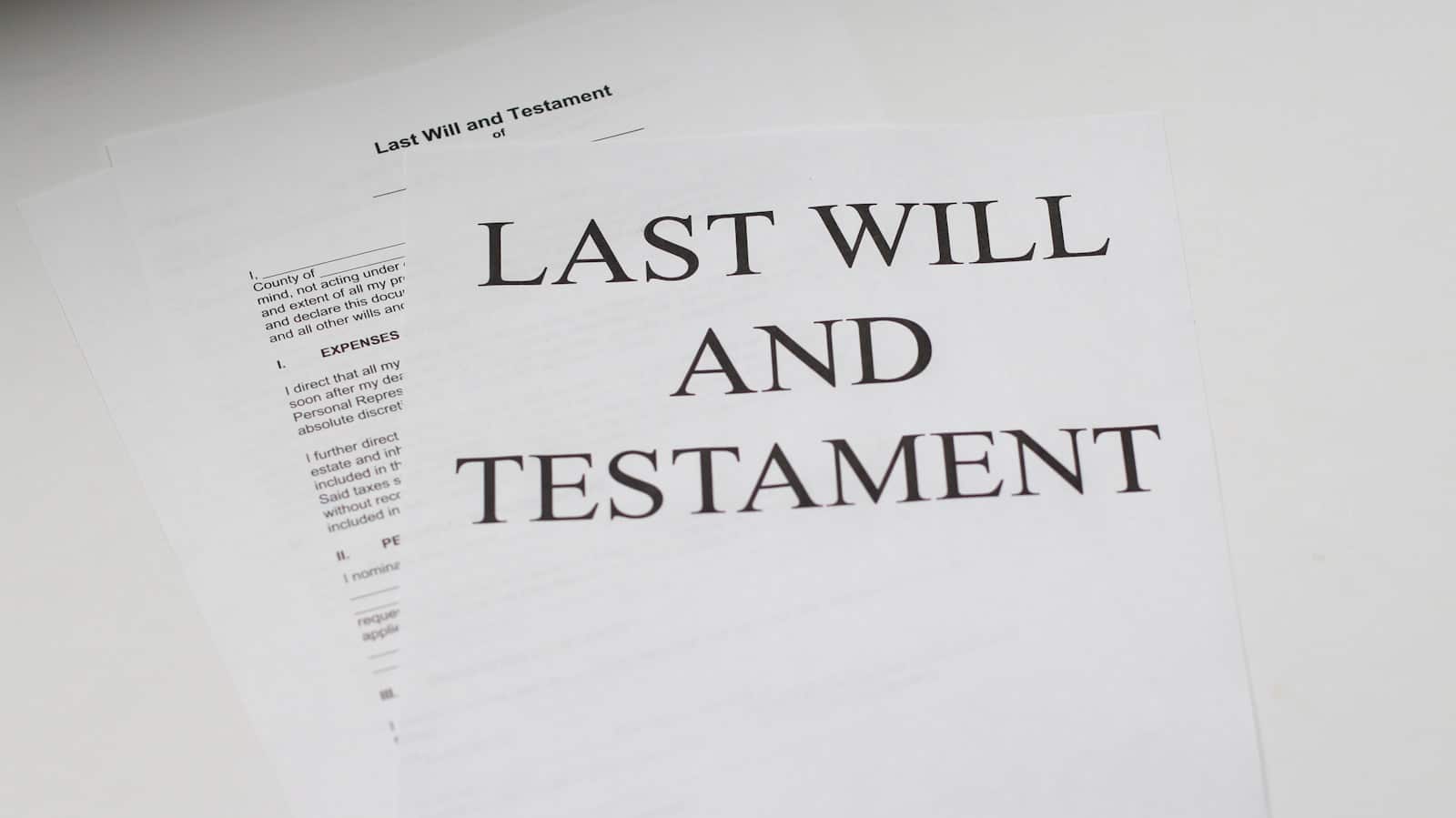
Estate planning often begins with a simple question: do you need a will, a trust, or both? While wills and revocable living trusts are commonly used tools, they serve different purposes and offer different advantages depending on your circumstances, assets, and long-term goals.
Understanding the general differences between a will and a revocable living trust can help individuals and families make informed decisions when planning for the future.
A will is a legal document that outlines how a person’s assets should be distributed after death. It also allows an individual to name an executor to manage the estate and, in some cases, designate guardians for minor children.
A will only takes effect after death and must go through probate. During probate, the court oversees the administration of the estate, ensuring debts are addressed and assets are distributed according to the terms of the will or applicable state law.
Wills are a foundational component of many estate plans and are often appropriate for individuals with straightforward assets or limited property.
A revocable living trust is a legal arrangement created during a person’s lifetime. Assets are transferred into the trust and managed by a trustee, who is often the person creating the trust. Because the trust is revocable, it can be modified or terminated as circumstances change.
Unlike a will, a trust can continue to operate during incapacity and after death. Assets held in a properly funded trust typically pass to beneficiaries without going through probate, which may reduce court involvement and administrative delays.
Trusts are commonly used by individuals with real estate in multiple states, blended families, or estates that would benefit from more structured management.
One of the primary differences between a will and a trust is how assets are transferred after death. A will requires probate, while a trust may allow assets to pass outside of probate if properly structured.
Another distinction is privacy. Probate proceedings are generally part of the public record, whereas trust administration is typically handled privately.
Timing also differs. A will provides instructions after death, while a trust can provide continuity of management during incapacity and after death.
These differences are often reviewed during the Estate Planning process to determine which tools best align with an individual’s goals.
In many cases, estate plans include both a will and a trust. A will may be used to address assets not transferred into the trust and to name guardians for minor children, while the trust handles the primary distribution of assets.
This combination approach can provide flexibility and ensure no assets are left unaddressed.
Because wills are subject to probate, individuals concerned about probate timelines or complexity often explore trust-based planning. Probate requirements vary by state, and estates involving multiple properties or jurisdictions may face additional administrative steps.
Understanding how Probate & Trust Administration works in your state can help clarify whether a trust may be beneficial for your situation.
A revocable living trust may be useful for individuals who own property in more than one state, want to provide ongoing management for beneficiaries, or prefer to minimize court involvement after death.
Trusts can also be helpful when estate administration may involve business interests or complex assets that require coordinated oversight.
There is no single estate planning solution that fits everyone. The decision between a will, a trust, or a combination of both depends on personal circumstances, asset structure, and long-term intentions.
Reviewing your estate plan periodically is important, especially after major life changes such as marriage, divorce, the purchase of property, or relocation.
Estate planning is about creating clarity and reducing uncertainty for those you care about. Whether through a will, a trust, or both, having a legally sound plan in place helps ensure your wishes are understood and followed.
Nosal & Jeter, LLP assists clients throughout North Carolina and South Carolina with estate planning and trust-related matters, helping individuals evaluate available options within the framework of applicable state law.
No categories found for this post.